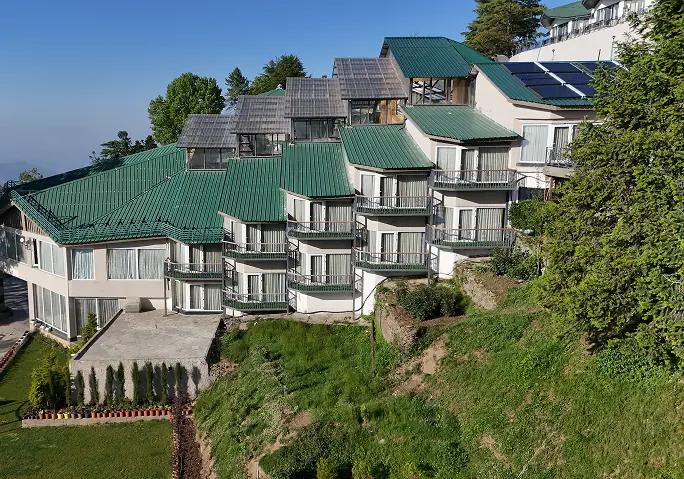
A corporate retreat near Shimla works best when the team agrees on its purpose before requesting a venue package. Define the decisions, workshops or planning time the trip must support, then match accommodation, meeting space and travel to that agenda. This guide helps an organiser prepare a comparable brief. It does not confirm a particular meeting capacity, activity service or connectivity performance at Kufri Heritage Resort.
Define the working outcome and the guest list
Choose two or three outcomes that should be completed before the group returns: a documented plan, an agreed set of priorities or a workshop output. Assign an owner to each session. This makes it easier to decide how much meeting time and equipment you actually need.
Build the guest list with arrival origins, room-sharing preferences and any access or dietary requirements. Do not share unnecessary personal or employee information in an initial venue enquiry. A guest count and practical requirements are normally enough to obtain an initial proposal.
Test the agenda against travel time
Keep arrival and departure days realistic. An evening meeting after a long journey can make a short retreat harder to run. Consider whether the core sessions belong on a full day, and identify which activities can be shortened if travel is delayed.
If the group uses several vehicles or arrives in batches, agree one coordination contact and a clear pickup plan. Ask the transport provider about the route, luggage and waiting arrangements. Do not assume that the hotel quote includes every transfer or that a general journey estimate applies to all guests.
Ask for a meeting-room specification, not a label
Provide the expected layout: boardroom discussion, classroom seating, workshop tables or a presentation. Ask for the usable space and confirmed seating arrangement for that layout. A standing reception capacity does not answer whether a workshop will fit comfortably. View the corporate enquiry route.
List the actual equipment required, including screens, microphones, adapters, power access and stationery. For online participation, explain the call platform, number of concurrent users and planned session length. Request a practical connectivity check and a fallback plan before treating hybrid attendance as confirmed. Review connectivity questions.
Separate working sessions from optional activities
Choose an optional team activity that supports the group’s purpose and accessibility needs. Ask who operates it, what supervision and documentation are provided, and how it changes if conditions are unsuitable. A venue photograph does not establish that an adventure service is included or operated by the property.
Provide a usable alternative for guests who do not take part. The core retreat should not depend on everyone being able or willing to join an outdoor activity. Keep time for breaks, quiet work and the transition between accommodation and meeting spaces.
Make the proposal comparable
Ask for room nights, meals, meeting-room hire, AV, refreshments, transfers and optional services on separate lines. Confirm taxes, payment milestones, the rooming-list deadline and how final guest-count changes are charged. Ask which commitments are provisional and which have been reserved. Use the offsite quotation checklist.
Send one consolidated brief: “Our group needs these dates and rooms, these meeting layouts and equipment, these meals and this travel arrangement. Please identify availability, total charges, exclusions and cancellation terms.” Use the proposal to refine the agenda, then confirm the final specification with the venue.