AT A GLANCE: Shimla Manali Combined Itinerary 2026
| Total Distance | Delhi – Shimla – Manali – Delhi, around 1,100 km |
| Recommended Duration | 7 to 10 days |
| Best Route | One-way loop | Delhi up to Shimla, Shimla to Manali via Mandi, Manali back via Chandigarh |
| Best Season | May to June and September to October (Rohtang Pass open) |
| Winter Option | December to February | Shimla-Kufri snow focus, Manali without Rohtang |
| Altitude Range | 2,200 m to 3,978 m (Rohtang Pass) |
The Shimla Manali circuit is the most classic Himachal road trip there is, and for good reason. In a single loop you get colonial-era hill stations, pine-and-deodar forests, snow points, river valleys and high mountain passes. This 2026 itinerary lays out exactly how to do it in 7 to 10 days, which direction to drive, what to book ahead, what it costs and what to pack so that you spend your time enjoying the mountains rather than worrying about logistics.
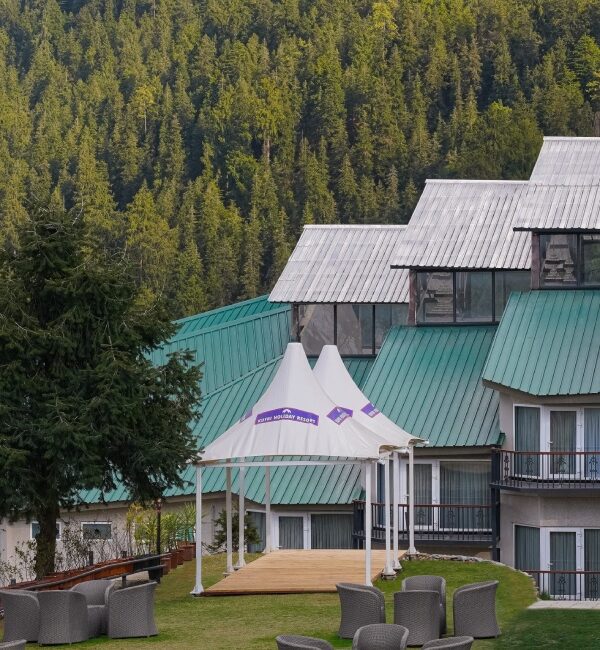
The full circuit covers roughly 1,100 km if you start and end in Delhi. The smart way to travel it is as a one-way loop: head up to Shimla first, cross over to Manali via Mandi, and return to Delhi via Chandigarh. That way you never backtrack and you see fresh scenery the whole way. We strongly recommend basing your Shimla leg in Kufri, just 13 km from Shimla town, where Kufri Heritage Resort and Spa puts you above the crowds at 2,622 metres with mountain views, a spa and bonfire evenings.
The 7-Day Shimla Manali Itinerary
Seven days is the sweet spot for first-timers who want a relaxed but complete circuit. Here is a day-by-day plan that balances driving with actual sightseeing.
Day 1 | Delhi to Shimla and Kufri (around 350 km, 7 to 8 hours): Start early from Delhi. The drive runs through Chandigarh and then climbs from Kalka to Shimla. Rather than staying in busy Shimla town, drive the extra 13 km to Kufri and check in to Kufri Heritage Resort. By evening you are settled into the cool mountain air with a bonfire and a hot meal. This is the day to rest after the long drive.
Day 2 | Kufri activities: Spend a full day in and around Kufri. Visit the Himalayan Nature Park, ride or walk up to Mahasu Peak for sweeping snow-line views, and try the adventure activities Kufri is famous for. Kufri is also the gateway to Chail and Fagu if you want a short side drive. End the day relaxing at the resort spa.
Day 3 | Shimla sightseeing: Head into Shimla for the day. Walk The Ridge and Mall Road, see Christ Church, Scandal Point and the Lakkar Bazaar. History buffs should visit the Viceregal Lodge. Take the toy train experience if you have time. Return to Kufri for a quiet final mountain night before moving on.
Day 4 | Shimla to Kullu via Mandi (around 235 km, 7 to 8 hours): This is your main transfer day. The road drops to the Sutlej and Beas valleys, passing Mandi, the historic temple town, before climbing again toward Kullu. The scenery shifts from oak forests to wide river valleys. Overnight in Kullu or push on to Manali.
Day 5 | Manali arrival and Old Manali: Reach Manali, check in, and ease into the town. Explore Old Manali with its cafes and the Manu Temple, visit the Hadimba Devi Temple set among ancient cedars, and stroll the Mall Road. A gentle day after the previous long drive.
Day 6 | Rohtang Pass or Solang Valley: The headline day. If Rohtang Pass is open and you have a permit, head up to 3,978 metres for snow and panoramic Himalayan views. If Rohtang is closed or you prefer something easier, Solang Valley offers paragliding, zorbing, cable car rides and snow play depending on the season. Either way, this is the high point of the trip, literally.
Day 7 | Manali to Delhi via Chandigarh (around 545 km, 12 to 14 hours): The long return leg. Most travellers do this as an overnight Volvo or a full-day drive with a meal stop at Chandigarh. If you prefer to break it up, an overnight halt at Chandigarh splits the journey comfortably.
The 10-Day Extended Version
If you have ten days, you can slow the pace right down and add depth instead of rushing. The 10-day plan keeps the same backbone but adds breathing room and a couple of standout detours.
Add a Chail day after Kufri: Chail, the former summer capital of the Maharaja of Patiala, sits among dense forest and is home to the world’s highest cricket ground. A day trip or overnight from your Kufri base adds a peaceful, less-crowded layer to the Shimla leg.
Add an extra Manali day: One more day in Manali lets you do both Solang Valley and Rohtang Pass without cramming, or take a side trip toward Naggar Castle and the Kullu valley villages. It also gives you a buffer day in case Rohtang access is weather-dependent.
Kasol or Kasauli option: Kasol in the Parvati Valley is ideal for those who want riverside cafes, trekking and a laid-back hippie vibe. Alternatively, Kasauli is a tiny, quiet hill station near Chandigarh that works beautifully as a final relaxed stop on the way back to Delhi. Choose Kasol for adventure, Kasauli for calm.
A typical 10-day flow looks like: Day 1 Delhi to Kufri, Day 2 Kufri, Day 3 Shimla, Day 4 Chail, Day 5 Shimla to Manali, Days 6 to 8 Manali with Rohtang, Solang and a side valley, Day 9 Kasol or Kasauli, Day 10 return to Delhi.
Ask the resort about your dates and room needs.
Check current room options and inclusions directly with the resort.
Which Direction Should You Travel?
One of the most common questions about this circuit is whether to do Shimla first or Manali first. Both work, but the choice changes your driving experience and how you handle crowds.
Shimla first, Manali second (recommended for most): Driving Delhi to Shimla, then Shimla to Manali, then Manali back via Chandigarh means you complete a clean loop with no backtracking. The Shimla to Manali stretch via Mandi is mostly downhill into the valleys before the final climb, which many drivers find slightly easier to start with. It also lets you acclimatise gradually, building from Shimla and Kufri up to the higher altitudes of Rohtang at the end of the trip.
Manali first when Rohtang opens: If your trip falls right at the start of the season when Rohtang Pass has just opened, consider doing Manali first to beat the heaviest crowds and to lock in the pass on a clear-weather day early in your itinerary. This is more of a timing strategy than a comfort one. If beating the rush at Rohtang matters most to you, front-load Manali.
For a standard trip in peak season, the Shimla-first loop is the cleaner, calmer choice and the one we usually suggest.
What to Book in Advance
A few bookings genuinely need to be sorted before you leave, especially in peak months when availability tightens fast.
Your Kufri stay: Book Kufri Heritage Resort and Spa well ahead, particularly for May, June, the autumn window and the December to February snow season. Rooms with the best mountain views go first. Reach out early to check the latest price and lock your dates.
Rohtang Pass permit: A permit is required to drive up to Rohtang Pass, and it must be obtained online in advance through the official Himachal permit portal. Daily vehicle numbers are capped, so apply a few days before your planned Rohtang day and keep a printed and digital copy. If you are hiring a local taxi in Manali, confirm whether the driver arranges the permit for you.
Transport: If you are not self-driving, book your taxi, Volvo or train tickets ahead in peak season. The Kalka to Shimla toy train in particular sells out early.
Stay at Kufri Heritage Resort and Spa
5-star luxury at 2,622 metres – 13 km from Shimla. Spa, restaurant, mountain views and bonfire evenings.
Check Latest Price NowBudget Breakdown for the Circuit
Costs vary a lot depending on whether you self-drive, hire a private taxi or use buses, and whether you travel in peak or off season. Rather than fixed figures, here is how to think about each line item so you can plan your own budget.
- Accommodation: Your biggest variable. A comfortable circuit means quality stays in Kufri and Manali. For the Kufri leg, contact Kufri Heritage Resort directly for the latest price and any seasonal offers.
- Transport: A round-trip private taxi from Delhi for the full loop is the convenient option for families. Self-driving saves on driver costs but adds fuel and tolls. Volvo buses are the budget choice for the Delhi legs.
- Rohtang and activities: Budget for the Rohtang permit, any taxi surcharge for the pass, and adventure activities at Solang and Kufri such as paragliding, ropeway and snow sports.
- Food: Mid-range across the trip, with resort dining at the higher end and local dhabas and cafes keeping costs down.
- Buffer: Always keep a contingency for weather delays, an extra night, or a spontaneous detour to Kasol or Chail.
As a rule of thumb, the Manali and Rohtang portion tends to cost a little more per day than the Shimla and Kufri portion because of activity and permit fees.
What to Pack for the Full Circuit
You will move through a wide altitude range on this trip, from around 2,200 metres in Shimla to 3,978 metres at Rohtang Pass, so pack in layers and prepare for mountain roads.
- Layered clothing: Even in summer, evenings in Kufri and mornings at Rohtang are cold. Pack a warm jacket, fleece, full-sleeve layers and a windcheater regardless of season.
- Winter gear (December to February): Heavy down jacket, thermals, woollen cap, gloves, scarf and waterproof snow boots are essential for the Shimla-Kufri snow focus.
- Footwear: Sturdy, non-slip walking shoes for snow points and uneven hill paths. Waterproof boots if snow is likely.
- Sun and altitude protection: Sunglasses, high-SPF sunscreen and lip balm. The sun is strong at altitude even when it feels cold.
- Medication and motion sickness: The winding mountain roads, especially Shimla to Manali via Mandi and the climb to Rohtang, can trigger motion sickness. Carry your usual remedies plus basic first aid.
- Documents: Printed and digital Rohtang permit, ID proofs and your hotel booking confirmations.
- Extras: Power bank, reusable water bottle, light raincoat in the monsoon shoulder months, and cash for areas with patchy card and network coverage.
Plan Your Shimla and Kufri Trip
Kufri Heritage Resort and Spa – the ideal mountain base 13 km from Shimla.
Call for Best PriceBest Time to Do the Shimla Manali Circuit
The ideal windows are May to June and September to October. In these months Rohtang Pass is reliably open, the weather is pleasant and the full circuit is at its best. May and June are peak family-holiday season with the warmest valley weather and the most reliable Rohtang access, though also the busiest. September and October bring clearer skies, thinner crowds and crisp mountain air, making autumn a favourite for repeat visitors.
For a winter trip, December to February turns Shimla and Kufri into a snow wonderland, perfect if snowfall is your main goal. Just remember that Rohtang Pass is closed in deep winter, so the Manali leg in this season focuses on Solang Valley and the town itself rather than the pass. The monsoon months of July and August can bring landslides and road delays on the mountain stretches, so they are best avoided for a tight itinerary.
Frequently Asked Questions: Shimla Manali Itinerary 2026
Should I do this trip in 7 days or 10 days?
Seven days is enough to comfortably cover Shimla, Kufri and Manali with one Rohtang or Solang day. Choose 10 days if you want a relaxed pace, an extra Manali day, and detours like Chail, Kasol or Kasauli. If your travel days from home are long, the 10-day version is far less rushed.
Which direction should I travel, Shimla first or Manali first?
For most travellers, Shimla first then Manali is best. It forms a clean one-way loop via Mandi and Chandigarh with no backtracking, easier driving and gradual acclimatisation. Do Manali first only if you are travelling right when Rohtang opens and want to beat the crowds.
Is Rohtang Pass always open?
No. Rohtang Pass is typically open from around May to October and closed through deep winter due to heavy snow. Access requires an online permit with daily vehicle limits, and the pass can shut at short notice in bad weather. Always check current status before your Rohtang day and keep Solang Valley as a backup.
How much does the Shimla Manali circuit cost?
It depends on your travel style, season and whether you self-drive, hire a taxi or take buses. The main costs are accommodation, transport, the Rohtang permit, activities and food, plus a buffer for delays. For accurate stay costs on the Kufri leg, contact Kufri Heritage Resort to check the latest price.
What is the best month for the Shimla Manali trip?
May to June and September to October are the best months, with Rohtang Pass open and pleasant weather. Choose December to February if you specifically want snow in Shimla and Kufri, keeping in mind Rohtang stays closed then. Avoid July and August due to monsoon landslides on mountain roads.
Make your stay part of the itinerary
Check current room availability directly before booking.