For a winter trip to Shimla and Kufri, you need thermal base layers, a heavy waterproof outer jacket, gloves rated to at least -5°C, woolen hat, waterproof ankle boots, and sunscreen. Kufri, at 2,622 metres, is consistently 2 to 3°C colder than Shimla city, and January night temperatures drop to -4°C, making preparation more critical than most first-time visitors expect.
AT A GLANCE: What to Pack for Shimla in Winter
| Shimla Winter Temp | 2°C to 12°C (day); -2°C to 2°C (night) — Dec to Feb |
| Kufri Winter Temp | 0°C to 10°C (day); -4°C to 0°C (night) — Dec to Feb |
| Kufri Elevation | 2,622 metres (8,602 feet), 13 km from Shimla |
| Most Overlooked Item | High-SPF sunscreen (UV is intense at altitude even in winter) |
| Essential Footwear | Waterproof ankle boots with ankle support |
| Snow Activity Extra | Waterproof outer trousers and hand warmers |
| Bag Size Recommendation | Medium-large duffel or 65L backpack for 3-4 days |
The Complete Winter Packing List for Shimla and Kufri
What clothing is essential for Shimla in winter?
The layering system is the correct approach for Shimla and Kufri winter travel. Layer 1 (base): thermal undershirt and thermal bottom, close-fitting, either wool or synthetic. This layer traps body heat and stays dry even when you are active. Layer 2 (mid): a medium-weight fleece or wool sweater. This is the insulation layer you add or remove as temperature varies through the day. Layer 3 (outer): a heavy waterproof jacket that blocks wind and is fully waterproof, not just water-resistant. At Kufri during or after snowfall, rain-resistant shells are inadequate. The complete layering system weighs less and performs better than one very thick single jacket.
What type of jacket is best for Kufri in January?
A heavy-duty puffer jacket rated to -10°C or lower, paired with a waterproof shell layer, is the most effective combination for Kufri in January. A single all-in-one ski jacket is the simplest alternative. Down fill gives the best warmth-to-weight ratio; synthetic fill is better if the jacket will be exposed to snow and wet conditions for extended periods (down loses insulation when wet). For most non-skiing visitors who spend 2 to 4 hours outdoors daily, a quality heavy puffer jacket alone is sufficient. Only plan a dedicated ski jacket if you are spending more than 4 hours per day in active snow activities.
What footwear should I pack for a winter trip to Shimla?
Waterproof ankle boots with ankle support are the single most important item for a winter Shimla trip. Shimla’s Mall Road is uneven cobbled stone and can become icy or slushy after snowfall. Kufri’s trails near Mahasu Peak and the Himalayan Nature Park are steep and unpredictable in winter. Canvas sneakers, lightweight trainers, and smooth-sole shoes are genuinely hazardous on icy mountain paths. Insulated waterproof boots with rubber soles and ankle coverage are the standard. If you plan snow activities at the Kufri zone, bring gaiters or over-shoe snow covers to keep the top of your boots dry when walking in deep snow.
Do I need thermals for Shimla in December, or only for January?
Thermals are recommended for both December and January travel to Shimla or Kufri. December evenings and nights in Kufri can reach -2°C, and the transition from heated indoor spaces to cold outdoor environments is abrupt. Thermals are light, compress well in luggage, and are far cheaper to pack than to purchase locally if you arrive underprepared. For a December trip with temperatures around 2°C to 10°C during the day, medium-weight thermals are sufficient. For January when temperatures can drop to -4°C at Kufri, heavy thermals are the correct choice.
Accessories and Additional Items
What accessories should I not forget for Shimla in winter?
Five accessories that are consistently overlooked and genuinely needed. First, a woolen hat or beanie that covers the ears — a large portion of body heat is lost through the head, and ear exposure at -2°C is painful and dangerous. Second, gloves rated to at least -5°C, not fashion gloves or thin knitwear. Third, a warm scarf or neck gaiter for the gap between jacket collar and hat. Fourth, SPF 50 or higher sunscreen — UV radiation at 2,622 metres in winter is significantly higher than at sea level, and snow reflection amplifies it further. Many visitors get sunburned in Kufri in January while standing on snow with blue skies above them. Fifth, lip balm with SPF protection, as cold wind and high UV together crack lips quickly at altitude.
Should I buy woolen items in Shimla or bring them from home?
Shimla’s Mall Road and the lower bazaar are genuinely good places to buy Himachali wool shawls, blankets, and knitwear. The local market offers authentic Himachali patterned wool at reasonable prices and the quality is legitimate. However, these market purchases are best treated as additions or gifts rather than replacements for the technical clothing you should pack. Shimla market shawls are warm but not waterproof. They are excellent for layering in a hotel room or for casual street-level wear on the Mall Road. They will not keep you dry at the snow activity zone in Kufri. Pack your technical layers from home; buy the local wool as a souvenir or a decorative addition.
Are hand warmers worth bringing to Kufri in winter?
Hand warmers are strongly recommended for January travel to Kufri, particularly for children, older visitors, or anyone planning more than 30 to 45 minutes of outdoor snow activity. The chemical disposable hand warmers (available at outdoor stores and online) last 6 to 8 hours and slip into pockets or glove liners. At -3°C in the Kufri snow activity zone, hands become cold within 15 minutes without movement, faster in children. Thin-gloved hands handling snow, horse reins, or ski equipment lose warmth rapidly. Hand warmers are inexpensive, light, and can make the difference between an enjoyable snow experience and an uncomfortable one.
Ask the resort about your dates and room needs.
Check current room options and inclusions directly with the resort.
Packing for Specific Activities
What should I pack for skiing and snow activities at Kufri?
Skiing and snow activities at the Kufri snow activity zone require waterproof outer trousers (or full ski bibs), waterproof ankle boots, heavy gloves, a jacket you are comfortable sitting on snow or falling into, and snow goggles or UV-blocking sunglasses to prevent snow glare discomfort. Snow equipment (skis, boots, poles) is available for rent at the activity zone at standard rates. Ski-specific clothing is not required for the beginner-level activities at Kufri, but waterproof trousers are essential as sitting on snow or snow tubing will saturate any non-waterproof fabric quickly. Pack a spare set of trousers in your day bag.
What should I pack for the Himalayan Nature Park visit in winter?
For the Himalayan Nature Park (90 hectares, entry approximately Rs 50), pack closed-toe waterproof shoes with grip, a pair of binoculars if you have them, a camera with a zoom lens, and one extra layer in a small day bag. The park’s trails are uneven and can be icy after snowfall. The park opens at 9 AM and closes before sunset. Bring your own water and a snack as there are no food vendors inside the park. A walking pole is optional but useful for older visitors on the steeper sections of the internal trail. The park is closed on Mondays.
What to pack for Shimla’s Mall Road and sightseeing in winter?
Mall Road is a pedestrianised flat promenade that requires no special footwear beyond sensible boots. For a Mall Road sightseeing day, pack a medium-weight layering setup (thermals plus fleece plus jacket), your camera, a small crossbody bag for essentials, and cash for the local bazaar. ATMs are available but sometimes queued on peak weekends. The lower bazaar has steeper and less even lanes where proper boots are useful. The Jakhu Temple trail (2 km from the Ridge to the summit) requires ankle boots or trekking shoes, particularly in winter when the path may have frozen patches.
Electronics and Practical Items
Cold temperatures affect device battery performance significantly. A smartphone or camera battery that lasts 12 hours in Delhi may last 4 to 6 hours in the Kufri cold. Carry a portable power bank in an inner jacket pocket (close to body heat) to maintain battery temperature. A universal power adapter is not needed as Shimla uses standard Indian sockets, but a multi-port charging hub for your accommodation room is useful. Bring a physical copy of your accommodation address and booking reference, as mobile data signal can be inconsistent between Chandigarh and Kufri on the mountain approach road.
Do I need a travel adapter for Shimla?
No. Shimla and Kufri use standard Indian Type C and Type D sockets (2 and 3 round pins, 230V). International visitors from the UK should bring a standard UK-to-India adapter. US visitors need a US-to-India adapter. European Type C plugs (2 round pins) often fit directly in Indian Type C sockets without an adapter. Power cuts (load shedding) can occur in winter due to demand; quality hotels and resorts in Kufri have generator backup for room power and heating systems.
Pack Smart for the Kufri Plateau
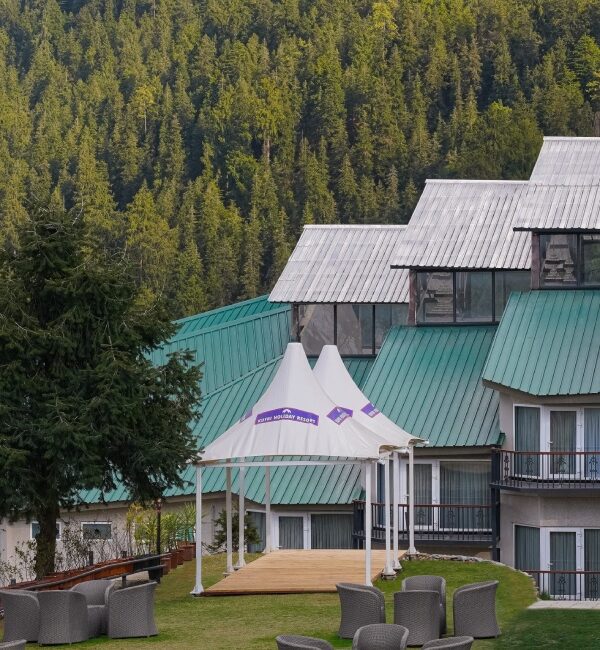
Kufri Heritage Resort and Spa sits at 2,622 metres on the Kufri plateau, with heated rooms, a full spa with steam and sauna, and a multi-cuisine restaurant where you can warm up properly after outdoor snow activities. Guests who arrive well-prepared for the cold can spend full days at the snow activity zone, the Himalayan Nature Park, and Mahasu Peak (2,890m), returning to a genuinely comfortable base in the evenings. The resort team can advise on current snow conditions, activity zone status, and the best times for snow photography based on the day’s weather.
Frequently Asked Questions: What to Pack for Shimla in Winter
How many pairs of socks do I need for a 3-day Shimla winter trip?
Pack at least 4 to 5 pairs of wool or thick synthetic socks for a 3-day winter trip. Wool socks (merino if budget allows) retain warmth even when damp. Pack one extra pair specifically for snow activities as wet feet from snow contact are inevitable during skiing or snow tubing. Thin cotton socks are inadequate for -4°C conditions. If your boots are waterproof but your socks are thin, your feet will still be cold from the inside out. Warm, thick socks inside proper waterproof boots are the correct system.
Do I need waterproof trousers for Shimla in winter?
Waterproof trousers are not essential for general sightseeing in Shimla and Kufri, but they are needed for snow activities. If you plan skiing, snow tubing, or extended play in snow, standard jeans or chinos will become saturated within 20 minutes. Pack at least one pair of waterproof outer trousers if your itinerary includes snow zone activities. If you only plan to photograph snow from a distance or walk on cleared paths, waterproof trousers are optional.
What medicines should I carry for a winter Shimla trip?
Pack standard personal prescriptions plus basic over-the-counter medicines: paracetamol or ibuprofen for altitude headaches (mild altitude effects are common above 2,000m for first-time visitors), throat lozenges and a cold and flu formula (cold dry mountain air dries the throat), antacids, lip balm, and a basic first-aid kit with bandages and antiseptic. Motion sickness tablets are worth considering if you are sensitive to winding mountain roads — the approach to Kufri from Shimla involves multiple bends. Carry these in your hand luggage, not in checked bags, for easy access.
Can I buy winter clothing in Shimla if I forget something?
Yes. Shimla’s Mall Road and Lower Bazaar have a wide range of woolens, shawls, thermals, gloves, hats, and socks at reasonable prices. The local market is particularly good for Himachali wool items. However, technical waterproof gear (waterproof boots, waterproof jackets with high ratings) is less reliably available in Shimla’s general market and what is available may be lower quality than what you would buy at an outdoor retailer at home. Do not rely on Shimla as a shopping destination for technical cold-weather gear. The local market is excellent for wool, not for Gore-Tex.
Is there a bag weight limit consideration for bus travel to Shimla?
HRTC Volvo buses from Delhi to Shimla typically allow one medium bag in the hold and one carry-on bag on the seat, similar to airline domestic rules. There is no strict weight enforcement on most services, but extremely large bags can cause issues. For comfort, a 65L backpack or a medium suitcase (up to 20 kg) is practical for a 3 to 4 day trip. A wheeled suitcase works fine for Shimla hotels and Kufri resort properties with vehicle access, but is impractical on Mall Road or the bazaar lane steps.
Should I rent snow gear at Kufri or bring my own?
For casual snow activities at the Kufri snow activity zone, renting is practical. Ski boots, skis, poles, and snow play equipment are all available for rent at the activity zone at reasonable rates. Bring your own gloves, hat, and waterproof outer jacket — rental helmets are available for skiing. If you are an experienced skier who owns high-quality personal equipment, bringing your own skis from Delhi is worthwhile only if you are staying multiple days and skiing several sessions. For a day or two of beginner-level skiing, the rental equipment at Kufri is entirely adequate.
What should children specifically have for a Kufri winter trip?
Children need all the same layers as adults but with extra attention to four items: waterproof mittens or gloves (children’s fingers are smaller and lose heat faster than adults), a balaclava-style hat that covers the ears and forehead fully, waterproof trousers for snow play (children will sit in the snow; trousers are non-optional), and hand warmers in their pockets for extended outdoor time. Pack an extra complete set of dry inner clothes for children as getting wet in the snow activity zone is common and the discomfort of wet clothes in -3°C is immediate. Small children under 5 tire and cool down much faster than adults at altitude; plan indoor breaks every 30 to 45 minutes.
Check conditions close to your travel date
Confirm current road conditions and room availability directly before booking.